Any evening
Daily show
Gion Corner
- Times6:00 and 7:00 pm
- LengthAround 50 min
- SeasonWinter: Tue to Fri; shut Dec 29 to Jan 3
Guides
Language
Currency
Look up datestickets from $97 · no-fee cancellationFind it on the map
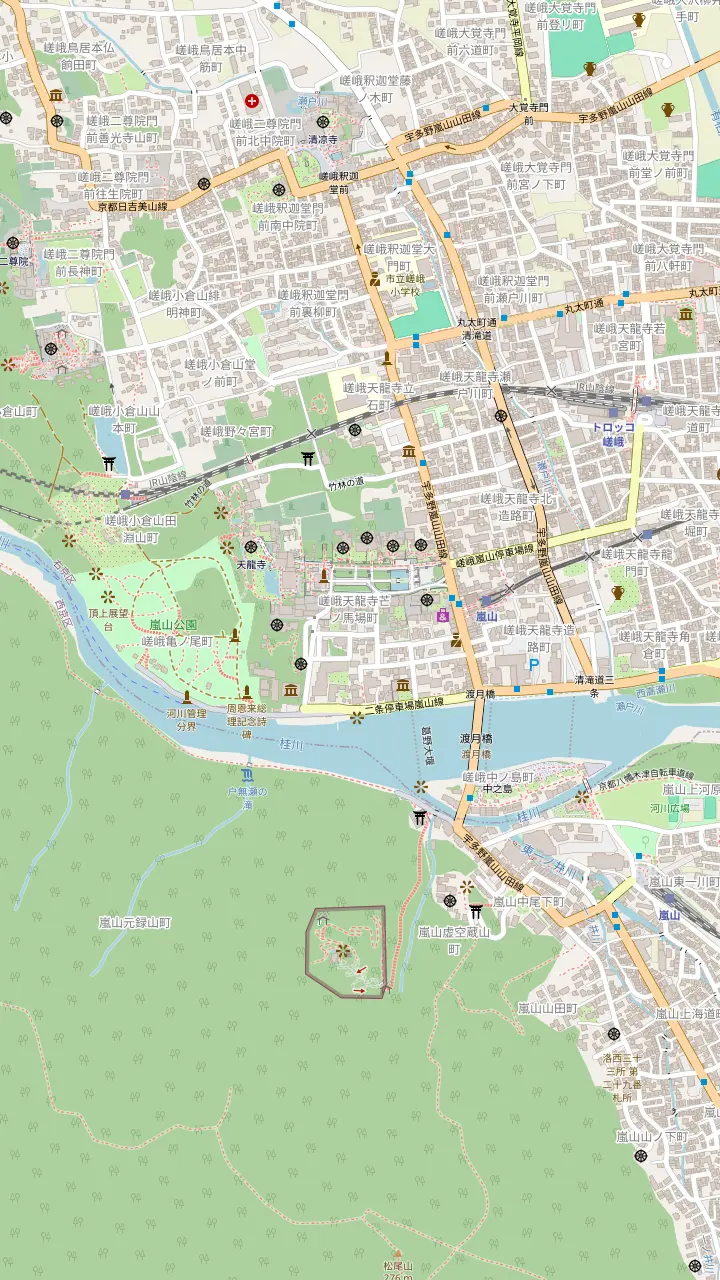
42 spots on the map
Select a district, then a marker or a name to read about it and open directions.
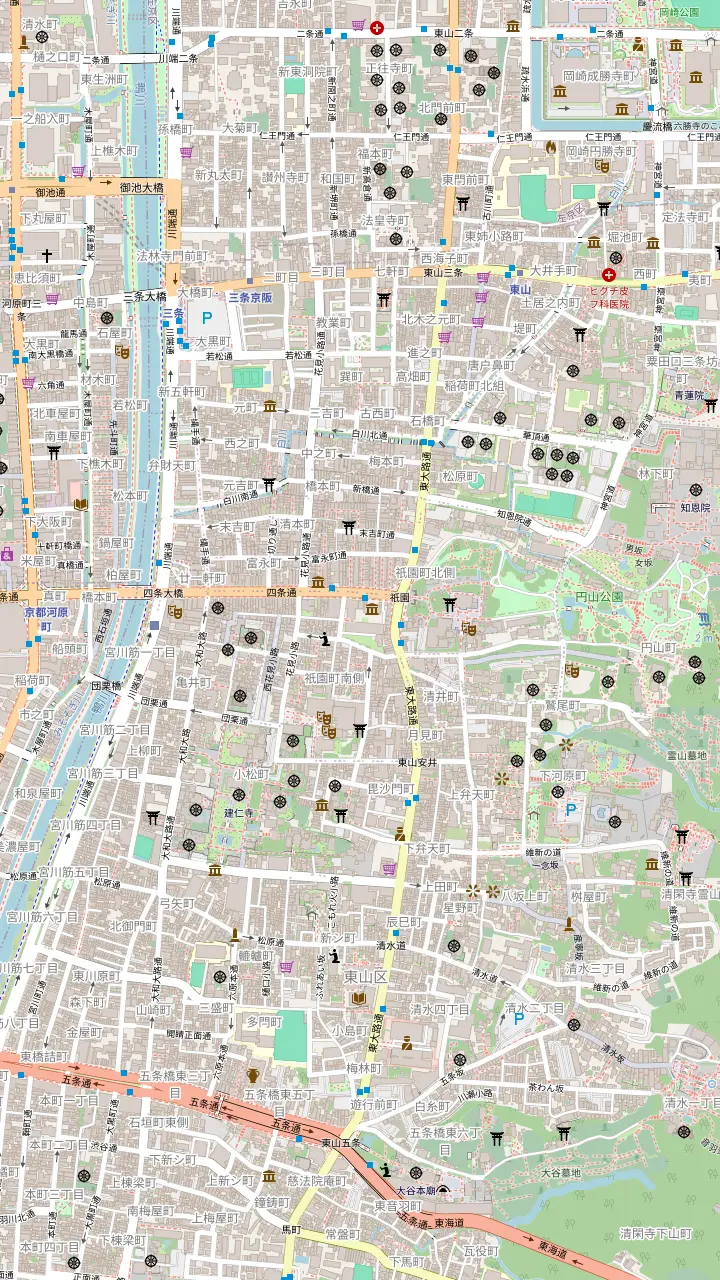
From the station walk east along Shijo to Hanamikoji Street and straight down it to reach Kennin-ji.
The meeting point of the 100-minute Gion night walk limited to 10 people.
Runs between Sanjo and Shijo streets; its history as an entertainment district goes back to 1670.
A 2-hour guided walk lists Shirakawa Lane and Tatsumi Bridge as its first stops.
Has no formal sidewalk, but different stones in the center and at the sides mark where pedestrians should walk.
Outside its winter schedule, regular shows start every day at 6:00 pm and 7:00 pm and last about 50 minutes.
Admission is 800 yen for adults; visitors are accepted from 10:00 a.m.
The shrine office is open 9:00 to 17:00.
Admission is 800 yen for adults, with daytime hours of 9:00 am to 5:00 pm.
Each March the park becomes a lantern festival with thousands of lanterns.
The Nozomi bullet train takes approximately 130 minutes from Tokyo Station to Kyoto Station.
Google MapsBeside Inari Station on the JR Nara Line, 2 stations and 5 minutes from Kyoto Station, per the shrine.
Google MapsFounded in 778; it opens at 6:00 a.m. every day.
Google MapsGion grew up as a gate town in front of Gion Shrine, now called Yasaka Shrine.
Admission is 1,000 yen for adults, and a visit usually takes about 30 minutes.
Open 9:00 a.m. to 5:00 p.m. all year round, with admission of 500 yen for adults.
Google MapsCastle admission is 800 yen for adults; it was completed in 1603.
Google MapsAdmission is free, and the palace is closed on Mondays.
The JR Sagano Line Rapid Service takes about 11 minutes from Kyoto Station to Saga-Arashiyama Station.
Google Maps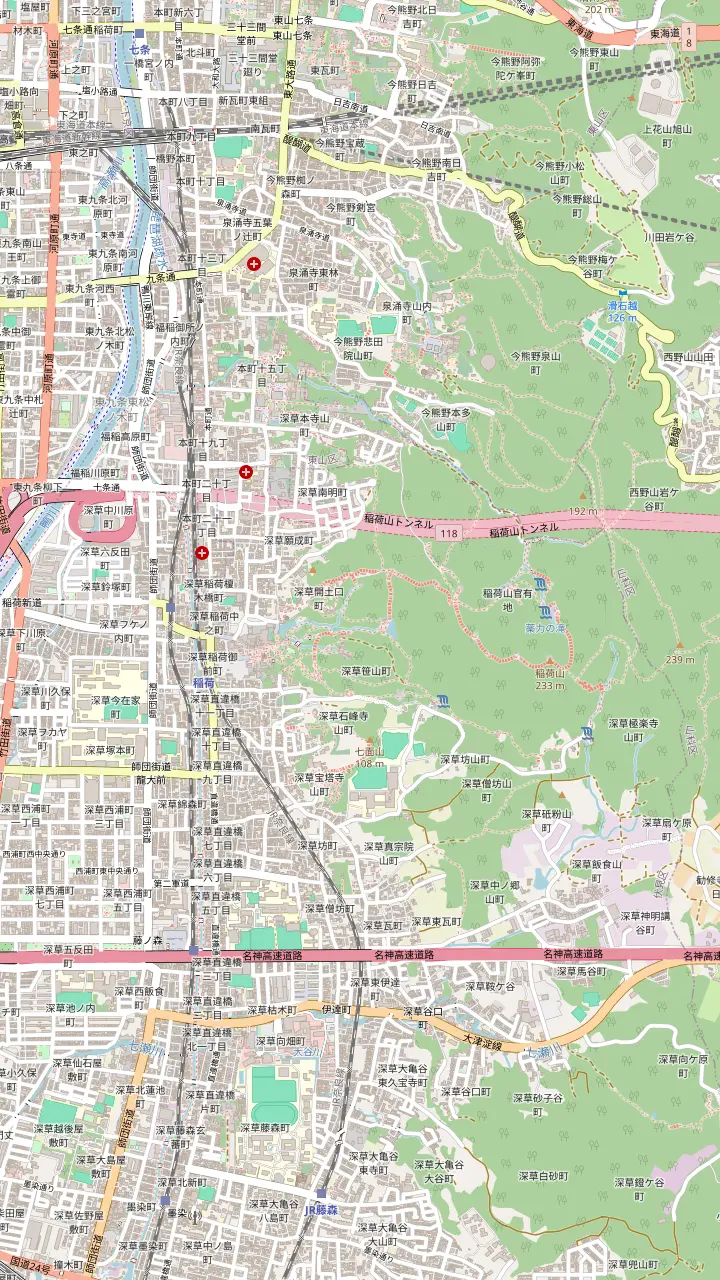
Local Nara Line trains stop here; JR West warns that express trains do not.
The shrine is a 5 minute walk east of the station; limited express trains do not stop here.
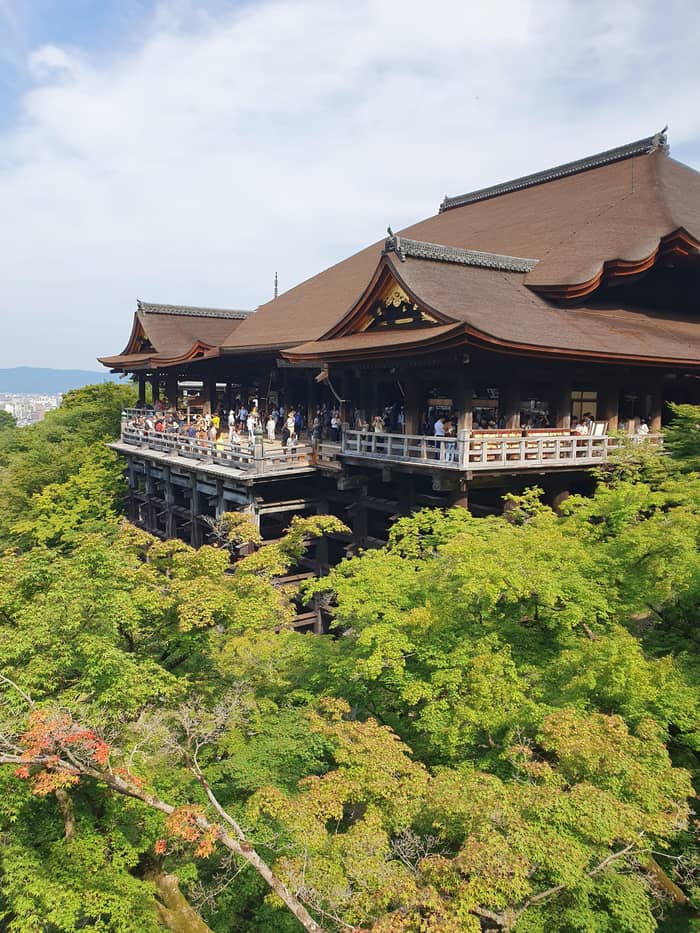
Said to have been built by Toyotomi Hideyoshi in 1589.
Rebuilt in 1499 and a designated Important Cultural Property.
JNTO describes a row of 1000 scarlet torii along a 4 km path.
Moved to its current location in 1975.
At the pond tradition says clapping echoes from the direction where a lost person can be found.
The highest peak of Inariyama at 233 m.
The bamboo grove is a 10-minute walk from this station.
Google MapsTenryu-ji is a 5-minute walk from Randen Arashiyama Station.
Google MapsFirst built in 836; the current bridge was finished in 1934.
Opens 8:30am to 5:00pm; garden-only admission is 500 yen for adults.
Entry is free.
The grove lines a 400 meter path between Nonomiya Shrine and Okochi Sanso Villa.
Admission is 1,000 yen for adults and includes matcha and sweets.
Admission is 800 yen for adults, cash only; the climb to the monkeys takes about 20 minutes.
The observation deck is open 10:00 to 21:00 with last admission at 20:30.
Kamogawa Noryo Yuka riverside dining runs from May 1 to October 15.
After dark the stones of Hanamikoji are lit with lantern light.
The temple holds its special night viewing three times a year.
Google MapsThe Special Autumn Nighttime Viewing and Illumination runs from 23 Oct to 13 Dec 2026.
The 2026 cherry blossom light-up ran from 6 p.m. to 10 p.m., with last entry at 9 p.m.
Google MapsJR West notes that the shrine is never closed to the public.
Google MapsCartography © OpenStreetMap contributors
Gion is a working neighborhood where people live and where geiko and maiko still walk to their appointments. This guide covers its lanes, the rules that protect it and the ways to see the culture legally.
Editorial team, kyotoactivities.com · Updated November 2, 2026 · About 8 minutes of reading
Gion briefly
Gion began as a gate town in front of Gion Shrine, now called Yasaka Shrine, with rest areas and tea shops for shrine visitors.1 That origin explains the layout: a few busy streets that lead people toward the shrine, and quieter lanes behind them where the tea houses grew. Today the Kyoto City Tourism Association describes it as a popular entertainment district where geiko and maiko live.7
Words matter here. In Kyoto the correct terms are geiko for the performers and maiko for young apprentice geiko, rather than the word geisha.8 Kyoto has five kagai, or flower-town districts, where geiko live and work: Kamishichiken, Pontocho, Miyagawacho, Gion Higashi and Gion Kobu.9 Gion Kobu is Kyoto's largest maiko and geiko district, and its Miyako Odori has been part of Kyoto's spring since 1872.10
What you see on the street is a glimpse and no more. Visitors can usually catch only a sight of a maiko or geiko as she hurries to her next appointment.11 Visits to the exclusive teahouses where geiko entertain are traditionally possible only through the invitation of trusted clients.12 The neighborhood's own message puts it plainly: this is not a theme park, but a place where people live their daily lives.13 Plan the Gion district, Kyoto's old tea-house quarter, as a walk of lanes rather than a list of sights.
Five flower towns
| District | Dance | Dates in 2026 |
|---|---|---|
| Kamishichiken | Kitano Odori | March 20 to April 2 |
| Gion Kobu | Miyako Odori | April 1 to April 30 |
| Miyagawacho | Kyo Odori | April 4 to 19 |
| Pontocho | Kamogawa Odori | May 5 to May 22 |
| Gion Higashi | Not in the spring four | Nothing listed |
Four districts stage spring dances at their Kaburenjo theaters; Gion Higashi is the fifth kagai.9,27,28,29,30,31
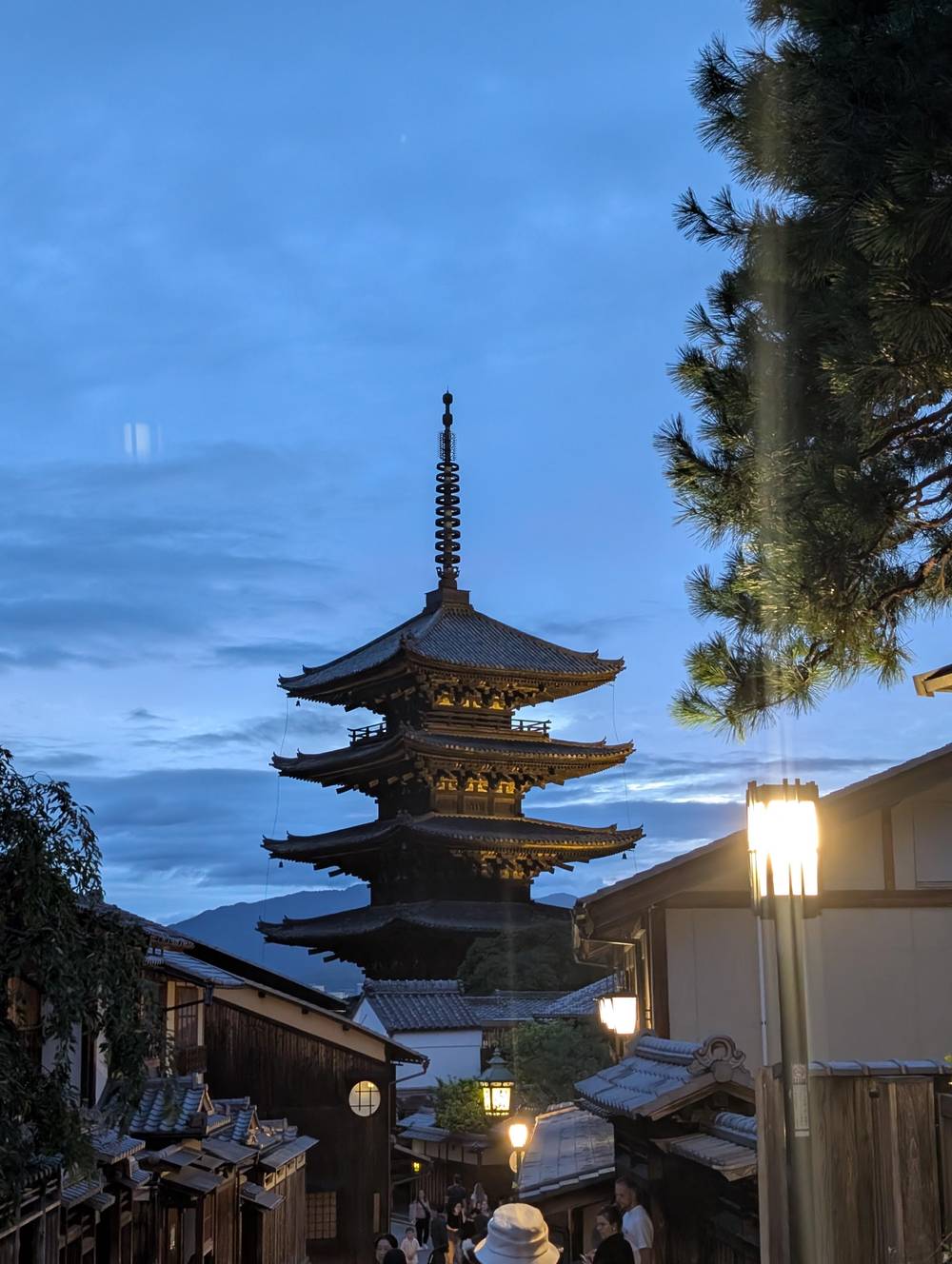
Gion Kyoto at night is a different place from the same lanes by day, and the lanes visitors picture are really two settings: the street and the canal. Hanamikoji Street has no formal sidewalk, but different stones in the center and at the sides mark where pedestrians should walk.17 After dark the stones are lit with lantern light, creating a scene that looks very different from its daytime counterpart.15 Hanamikoji and Gion-Shirakawa are residential areas, and visitors are asked to follow local manners and not photograph residents.18
A good route links the canal and the street. A 2-hour English walk starts beside a restaurant about a 5-minute walk from Keihan Sanjo and Gion-Shijo stations, then lists Shirakawa Lane, Tatsumi Bridge, Hanamikoji Street and Gion Corner, before it continues to Kenninji, Ninenzaka, Kodaiji and Nene no Michi. It has 4,501 reviews rated 4.75 and costs from $19. A Viator walk of the same length through Pontocho, Yasaka Shrine and Hokan-ji has 4,573 reviews rated 4.95 and costs from $19.
At the south end of the street the grounds of Kennin-ji are close to Hanamikoji and Shijo streets, and the temple is thought to be the oldest Zen temple in Kyoto.19 From Gion-Shijo Station on the Keihan Line, walk east along Shijo to Hanamikoji Street and go straight down it to reach Kennin-ji.20 A short detour into the temple grounds is a quiet counterweight to the lanes outside.
What the rules can cost
From the Gion manners notice issued by the district's associations and Kennin-ji; some offenses also carry detention or imprisonment.21,22,23,24,25,26
The manners notice is issued jointly by the Gion Kobu Tea Houses Association, the Gion Geiko Association, Kennin-ji and the Southern Gionmachi Council.34 It is blunt. Visitors must not stop, touch, follow or take unauthorized photos or videos of any geiko or maiko walking in the district, and stopping one to ask for a photo is prohibited.2,3 A maiko in full dress is on her way to an engagement and is in a hurry, so approaching her is a nuisance.35
The consequences are specific. Obstructing someone's path or stalking is punishable by less than 30 days of detention or a fine of less than 10,000 yen, and pulling someone's hand or clothes by up to six months of imprisonment or a fine of up to 500,000 yen.21,26 Entering temples, shrines or private property without permission is trespassing, punishable by up to three years of imprisonment or a fine of up to 100,000 yen.24 A resident's report may lead to police officers being called.36
Smaller points keep the lanes pleasant. Avoid using a tripod for townscape photos, touching the lanterns outside tea shops and leaning against fences.37 Gion's streets are not pedestrian-only, and acts that obstruct traffic are punishable by a fine of up to 50,000 yen, while littering can bring a fine of up to 30,000 yen.23,22 Posting photos of specific individuals on social media without their permission is a violation of portrait rights.38
Your Gion plan
Which of these sounds like you?
If I want to see maiko dance
Book Gion Corner
One-hour shows at 6:00 and 7:00 pm, daily outside winter.4,5
If I want the full spring dance
Miyako Odori in April
If I want stories of the district
Led by a guide
A 2-hour walk lists Shirakawa, Tatsumi Bridge and Hanamikoji.
If I just want atmosphere
Walk Hanamikoji at dusk
The stones are lit with lantern light.15
If I want to avoid trouble
Learn the rules before you go
Unauthorized photos of geiko or maiko are prohibited.2
Choose your way in
Any evening
Gion Corner
April
Miyako Odori
Evening
Guided on foot
If you want to see maiko dance, buy a seat. Gion Corner offers one-hour performances in which visitors can see maiko and geiko dance, with a Kyo-mai dance, kyogen comedy, tea ceremony and ikebana all within the hour.5,84 Outside the winter schedule below, regular shows start every day at 6:00 pm and 7:00 pm and last about 50 minutes.4 Tickets are sold on its website and at the Kyoto Tourist Information Center Kyo Navi.85
Check the calendar before you go. Gion Corner's winter performances run Tuesday to Friday from December 1 to March 13, and it is closed from December 29 to January 3.86,87 The spring dances are separate: four districts stage them at their Kaburenjo theaters from late March through May, and each belongs to a different school of dance, so the performances differ in style.27,88
In Gion Kobu the spring event is the Miyako Odori. The 2026 run is April 1 to April 30, with three shows a day starting at 12:30 PM, 2:30 PM and 4:30 PM, at the Gion Kobu Kaburenjo Theater with tickets at 4,000 to 7,000 yen.28,32,33 The other districts have their own: Kitano Odori ran March 20 to April 2 in 2026, Kyo Odori April 4 to 19 and the Kamogawa Odori May 5 to May 22.29,30,31
Walk cost
Enter your group size to compare the walks.
4 options side by side
Enter your group size to compare the walks.
≈
View≈
View≈
View≈
ViewLowest GetYourGuide prices at the ECB reference rate; the exact amount appears when you book.
One evening in Gion
Mid-afternoon
The office is open 9:00 to 17:00.14
At dusk
The canal lane comes before the main street on the guided route.
At dusk
The stones are lit with lantern light.15
6:00 or 7:00 pm
A show of about 50 minutes.4
Once the show ends
A lane that comes alive at night.16
From Kyoto Station take the Karasuma Subway Line to Karasuma Oike, then the Tozai Line to Higashiyama Station, about 15 minutes in total.6 From Higashiyama Station it is about a 5-minute walk east on Sanjo-dori to the Sanjo Jingu-michi intersection.89 The Keihan Line is the other railway: Gion-Shijo Station sits at the start of Shijo Street, the road that leads straight to the shrine.
For the shrine itself, Yasaka Shrine is about 13 minutes on foot east along Shijo Street from the Shijo Kawaramachi intersection, which is often faster than the bus.90 Buses 100 or 206 from Kyoto Station reach the Gion stop in about 20 minutes, a short walk from Maruyama Park.91 A regular Kyoto City Bus ride is 230 yen within the flat fare area, and the Express sightseeing bus is 500 yen.92
Yasaka Shrine's address is 625 Giommachi Kitagawa, Higashiyama Ku, and its office is open 9:00 to 17:00.14 The shrine's records suggest it may go back to 656, when Irishi brought the spirit of Susanoo-no-mikoto to the site, while a second account says that in 876 the priest Ennyo built a temple there and enshrined the same deity.93,94 Either date puts the shrine long before the tea houses.
Video
PiQtour Japan on YouTube · The player connects to YouTube only after you tap.
This is therefore not a theme park, but a place where people live their daily lives.
Etiquette checklist
The Gion Matsuri is held July 1 to 31 and is counted among Japan's three greatest festivals alongside Tokyo's Kanda Matsuri and Osaka's Tenjin Matsuri.95 It began in 869 when a plague struck Japan and Yasaka Shrine erected sixty-six halberds for the sixty-six provinces.96 Yasaka Shrine says the festival has a tradition of more than 1150 years.97
The two processions are the pillars. The early float procession is on July 17 at 9 AM with 23 floats along Shijo, Kawaramachi and Oike streets, and the latter is on July 24 at 9:30 AM with 11 floats.98,99 The evenings before are called Yoiyama; in 2026 they ran July 14 to 16 and July 21 to 23.100 During Yoiyama, old houses in Yamahoko-cho remove their front latticework and open tatami rooms to display folding screens and other treasures, which is why the festival is also called Byobu Matsuri, the Screen Festival.101,102
Crowds are real, and the city helps with cameras: livestream cameras at Shijo Karasuma and Karasuma Rokkaku ran from July 10 to July 24 in 2026 to help reduce crowding.103 Visitors are asked not to eat or drink while walking and to respect the residential community.104 On the nights of July 17 and 24 the Mikoshi-Togyo portable shrine procession takes place.105
FAQ
Visitors must not stop, touch, follow or take unauthorized photos or videos of any geiko or maiko walking in the district.2
In Kyoto the correct terms are geiko for the performers and maiko for apprentices, rather than the word geisha.8
Take the Karasuma Line to Karasuma Oike, then the Tozai Line to Higashiyama Station, about 15 minutes in total.6
Visits to the exclusive teahouses where geiko entertain are traditionally possible only through the invitation of trusted clients.12
Sources
Questions about Kyoto or the tours? Ask a person here.