Quickest
Garden stop
Near Kiyomizu-dera
- Length45 minutes
- LanguageEnglish
- Pricefrom $49
Guides
Language
Currency
Look up datestickets from $97 · no-fee cancellationYour party, priced
4 options side by side
Enter how many people are coming and compare the four sessions.
≈
View≈
View≈
View≈
ViewLowest GetYourGuide prices at the ECB reference rate; the exact amount appears when you book.
A visitor tea ceremony in Kyoto lasts two hours at most and needs no experience. Here is how one runs, what the four most-booked sessions offer, and how to choose between them.
Editorial team, kyotoactivities.com · Updated November 2, 2026 · About 6 minutes of reading
Essentials first
In Japanese the tea ceremony is called chanoyu, or sado.4 Behind that plain name sits a whole discipline of movement, hospitality and attention, built around one simple act: a host whisks powdered green tea in a bowl and offers it to a guest. In Kyoto, where tea schools and tea houses are never far away, a visitor can try that act in a morning or an evening.
Not every tea gathering is a grand affair. The national tourism organization separates the relaxed chakai, an informal gathering, from the chaji, the more formal occasion.5 A full formal ceremony can last several hours, and that is exactly why many venues in Kyoto offer shorter versions that are easier on visitors.6 Those shorter sessions are what you find on booking sites.
So set your expectations at the right size. You will not be tested, and nobody expects you to know the vocabulary. You will sit, watch a host prepare tea with slow, practiced movements, drink a bowl yourself and perhaps whisk one too. The point is the pace, which is the opposite of a sightseeing day, and the memory is usually of the quiet. A Kyoto tea ceremony is a quiet interval, not a performance.
Four sessions compared
| Session | Setting | Group | From |
|---|---|---|---|
| Kiyomizu garden | Tea house garden | No cap given | $49 |
| Ju-An temple | Temple tea room | Cap of 10 | $29 |
| Machiya table | Townhouse | Private or few guests | $45 |
| Gion kimono | Gion tea room | Cap of 10 | $49 |
These are from prices per person on the listing records, not exact quotes.
Tea in Japan has a founder many schools still point to. The Urasenke school names Sen Rikyu, who lived from 1522 to 1591, as the master who summarized the principles of the discipline of Tea into four concepts.9 Those four ideas are the reason the room, the utensils and even the silence are arranged the way they are.
You do not need the philosophy to enjoy a session, but a little of it explains the odd details. Why is the entrance so low? Why does the host turn the bowl before serving? Because every gesture has been smoothed over centuries until nothing in the room is accidental. A good host in a visitor session will explain a few of these at an easy pace and in English.
Think of it as the same reason a pianist starts with scales. The ritual is not meant to intimidate. It is a frame that makes you slow down for a few minutes, and in a city that can feel crowded around the big temples, that slowing is a large part of what people say they remember. A traditional tea ceremony in Kyoto keeps that discipline even in a short visitor session.
Length
Durations as listed for four Kyoto sessions; the Gion kimono session is listed as 1.5 to 2 hours.
Sessions follow a rough order. You are shown to a room, usually a tatami room in a temple or a restored townhouse, and sit in the seiza kneeling position once the ceremony begins.2 If kneeling is difficult, ask in advance: the Ju-An tea room at Jotokuji Temple, for example, can provide seats and stools, though its tea room has three steps and is not wheelchair accessible.
Next comes the sweet. The official explanation is that guests may then be served small sweet cakes while the host prepares a second bowl of thinner tea.7 Eat the sweet first and the bitterness of the matcha becomes pleasant rather than sharp. Then the bowl arrives in front of you.
The bowl is turned to avoid drinking from its front, and the guest rotates it slightly before sipping.8 Finish the tea, admire the bowl, and say thank you; that is already good manners by the standard of most visitor sessions. Some hosts then invite you to whisk a bowl of your own, which is the part people photograph and laugh about.
Which one?
Start from what you want out of the hour
If I am short on time
Garden stop near Kiyomizu-dera
It runs 45 minutes.
If Cheapest for me please
Ju-An at Jotokuji
It starts from $29.
If I cannot kneel for long
Ask for a stool
Ju-An can provide seats and stools.
If I want a kimono photo
Gion kimono session
It is listed at 1.5 to 2 hours.
If I want to taste tea at the source
Take the train to Uji
It takes about 17 minutes by JR.3
Three moods
Quickest
Near Kiyomizu-dera
Cheapest
Ju-An at Jotokuji
Kimono option
Orizuruya in Gion
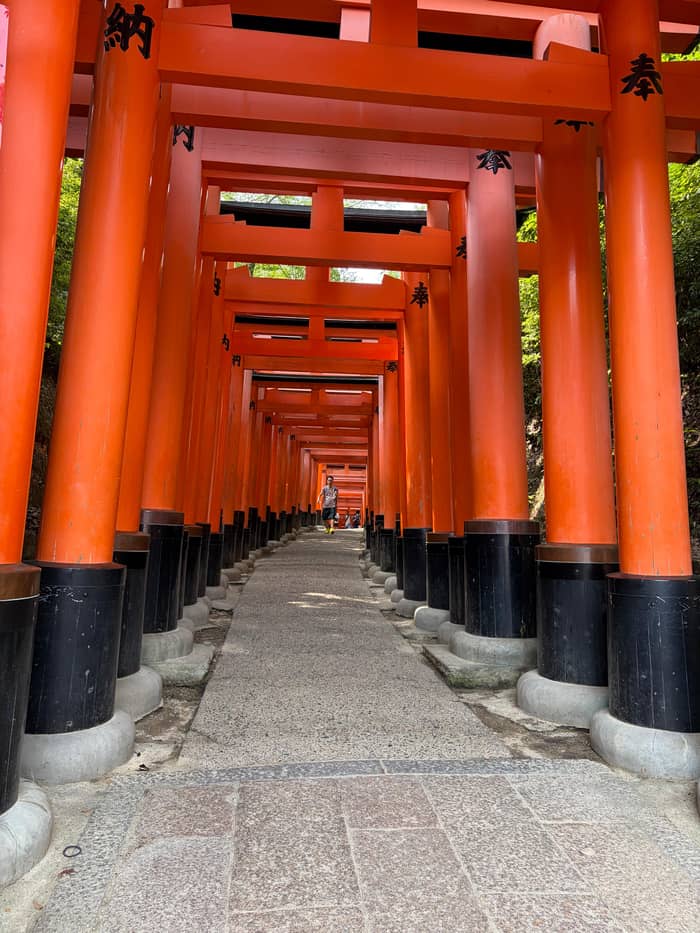
Four sessions dominate bookings in Kyoto, and they differ more in setting than in procedure. The garden tea house near Kiyomizu-dera lasts 45 minutes and is billed from $49 per person, with an English instructor. It is the quickest way to fit a ceremony into a temple day, and the walk down Sanneizaka brings you to the gate.
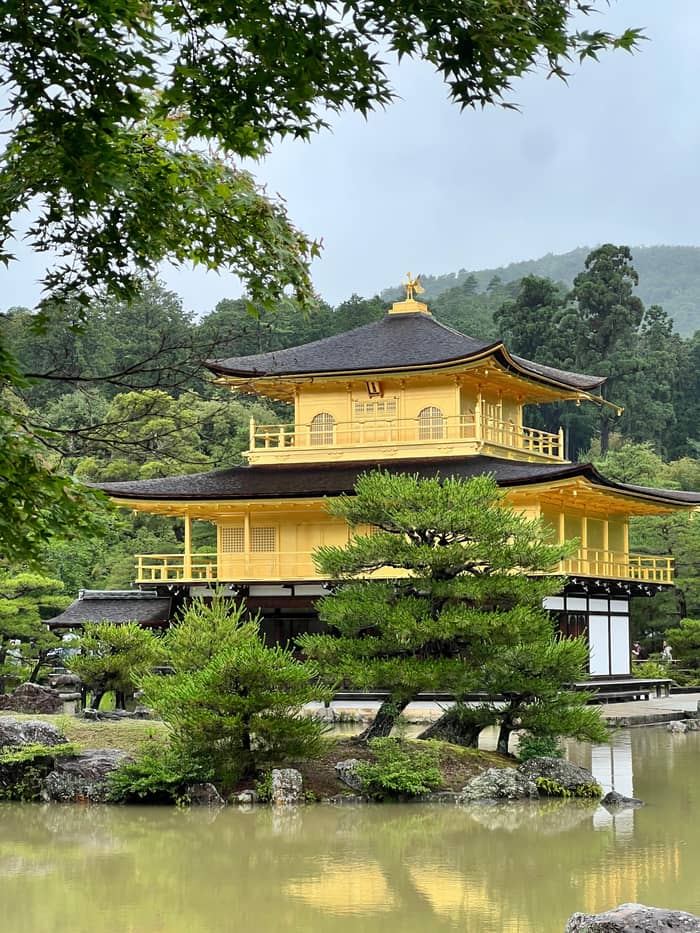
The Ju-An session at Jotokuji Temple runs 70 minutes with groups limited to 10, from $29. It is the least expensive of the four and sits in a temple, so the setting is quieter and plainer. The table-style session in a machiya, a Kyoto townhouse, lasts 1.5 hours, from $45, in private or small groups.
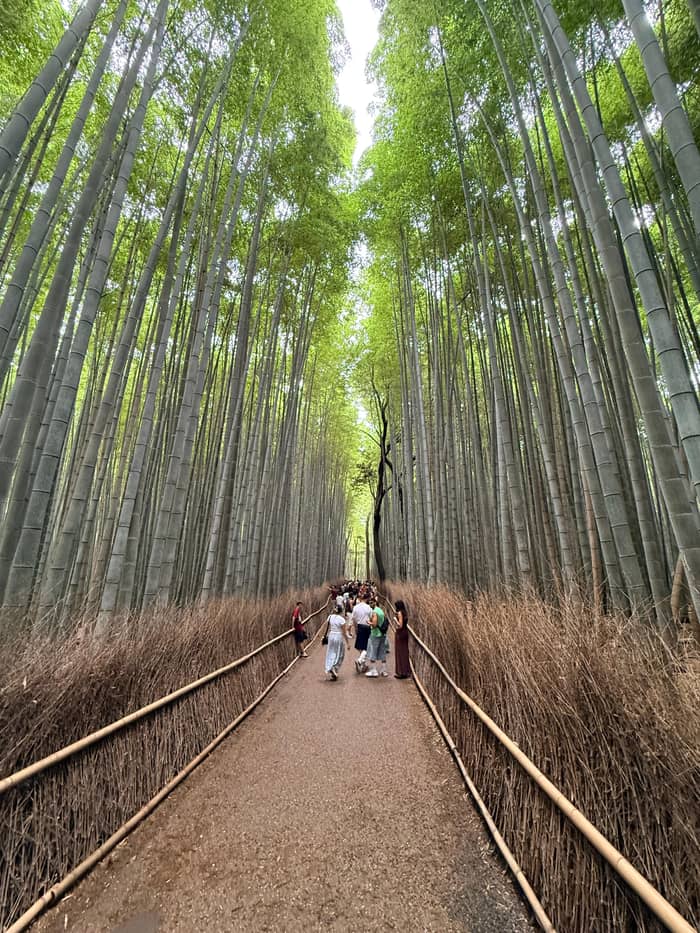
The fourth is the kimono tea ceremony at Orizuruya Gion, 1.5 to 2 hours, groups limited to 10, from $49. If you want the kimono and the ceremony in one booking, it is the simplest choice, and it starts in the heart of Gion. Use the calculator on this page to price your group, then pick the setting that appeals more than the saving. Whichever Kyoto tea ceremony experience you choose, check the group size and the seating style first.
A session, in order
Arrival
Kimono guests arrive 30 minutes early at the Fushimi machiya.
Seating
Guests sit in the seiza position.2
The sweet
Small sweet cakes may be served first.7
The bowl
Turn the bowl to avoid drinking from the front.8
Afterwards
Some sessions let you whisk a bowl yourself.
Many visitors combine the two. The machiya session in Fushimi lets you add a kimono, and if you do you should arrive 30 minutes before the start for the fitting. That venue lies in Fushimi, about 20 to 30 minutes by train from central Kyoto, with Kyoto Station about 20 minutes away on the Kintetsu line.
The Orizuruya Gion session is easier to reach: it is a 7-minute walk from Keihan Gion-Shijo Station and a 10-minute walk from Hankyu Kyoto-Kawaramachi Station. A longer experience in a townhouse near Kawaramachi, which the national tourism organization lists, runs about 90 minutes or more for about six guests and lets you wear your own clothes or a rented kimono.10,11
If you would rather keep your own clothes on, that is fine. Formal attire is not required at demonstrations for visitors.1 Wear something you can kneel in comfortably, and skip a tight skirt. For a closer look at renting a kimono for the day, our page on kimono rental in Kyoto compares the shops and the extras such as hairstyling.
Video
Let's ask Shogo on YouTube · The player connects to YouTube only after you tap.
Guests may then be served small sweet cakes while the host prepares a second bowl of thinner tea.
Checklist
If the ceremony makes you curious about the tea itself, take a day trip to Uji. From Kyoto Station the JR Nara Line reaches JR Uji Station in about 17 minutes.3 Uji is the town Kyoto residents associate with the best green tea, and it feels like a calm place after the city.
A tea ceremony here is cheap and straightforward: at Taihoan, a traditional ceremony costs 1,000 yen.12 Add Byodoin Temple, founded in 1052, where the Amida Buddha is covered in gold leaf, and you have a half day that fits neatly into a Nara-bound trip as well.13 Uji sits on the Nara line, so tea and deer can share a day.
Treat Uji as a complement to a Kyoto session rather than a replacement. The Kyoto sessions put tea inside a city setting with a guide who speaks English, while Uji gives you the tea country and the shops. Between them you will taste both ends of what makes matcha special.
FAQ
The garden tea house runs 45 minutes, the Ju-An session 70 minutes and the kimono session 1.5 to 2 hours.
Among four popular sessions, prices run from $29 to $49 per person.
Formal attire is not required at demonstrations for visitors.1
The Ju-An tea room at Jotokuji can provide seats and stools, though it has three steps.
Guests may be served small sweet cakes while the host prepares a second bowl of thinner tea.7
Guests turn the bowl a little so as not to drink from its front.8
JR reaches Uji in about 17 minutes from Kyoto Station.3
Sources
Questions about Kyoto or the tours? Ask a person here.