By foot
East half-day
Kiyomizu-dera and Gion
- Start6:00 a.m. opening
- Bus86 or 206 to Gojozaka
- ParkingNone at the temple
Guides
Language
Currency
Look up datestickets from $97 · no-fee cancellationFind it on the map
42 spots on the map
Select a district, then a marker or a name to read about it and open directions.
The Nozomi bullet train takes approximately 130 minutes from Tokyo Station to Kyoto Station.
Google MapsBeside Inari Station on the JR Nara Line, 2 stations and 5 minutes from Kyoto Station, per the shrine.
Google MapsFounded in 778; it opens at 6:00 a.m. every day.
Google MapsGion grew up as a gate town in front of Gion Shrine, now called Yasaka Shrine.
Admission is 1,000 yen for adults, and a visit usually takes about 30 minutes.
Open 9:00 a.m. to 5:00 p.m. all year round, with admission of 500 yen for adults.
Google MapsCastle admission is 800 yen for adults; it was completed in 1603.
Google MapsAdmission is free, and the palace is closed on Mondays.
The JR Sagano Line Rapid Service takes about 11 minutes from Kyoto Station to Saga-Arashiyama Station.
Google Maps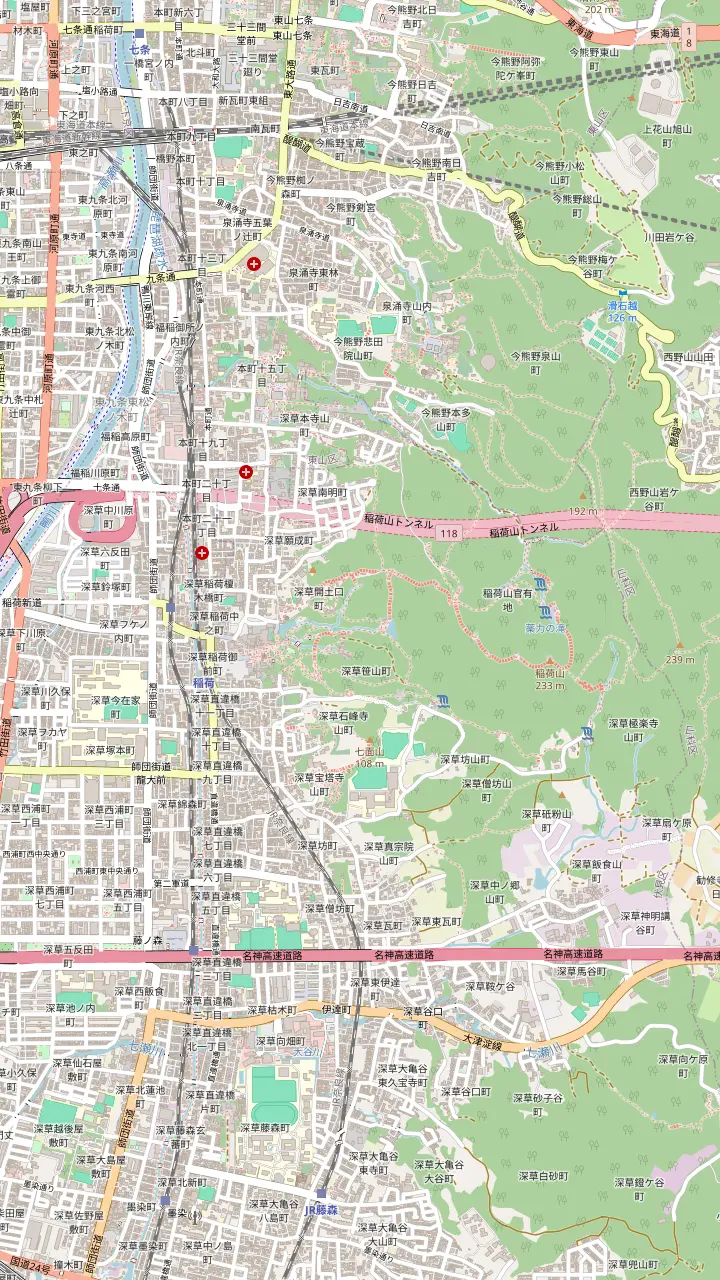
Local Nara Line trains stop here; JR West warns that express trains do not.
The shrine is a 5 minute walk east of the station; limited express trains do not stop here.
Said to have been built by Toyotomi Hideyoshi in 1589.
Rebuilt in 1499 and a designated Important Cultural Property.
JNTO describes a row of 1000 scarlet torii along a 4 km path.
Moved to its current location in 1975.
At the pond tradition says clapping echoes from the direction where a lost person can be found.
The highest peak of Inariyama at 233 m.
The bamboo grove is a 10-minute walk from this station.
Google MapsTenryu-ji is a 5-minute walk from Randen Arashiyama Station.
Google MapsFirst built in 836; the current bridge was finished in 1934.
Opens 8:30am to 5:00pm; garden-only admission is 500 yen for adults.
Entry is free.
The grove lines a 400 meter path between Nonomiya Shrine and Okochi Sanso Villa.
Admission is 1,000 yen for adults and includes matcha and sweets.
Admission is 800 yen for adults, cash only; the climb to the monkeys takes about 20 minutes.
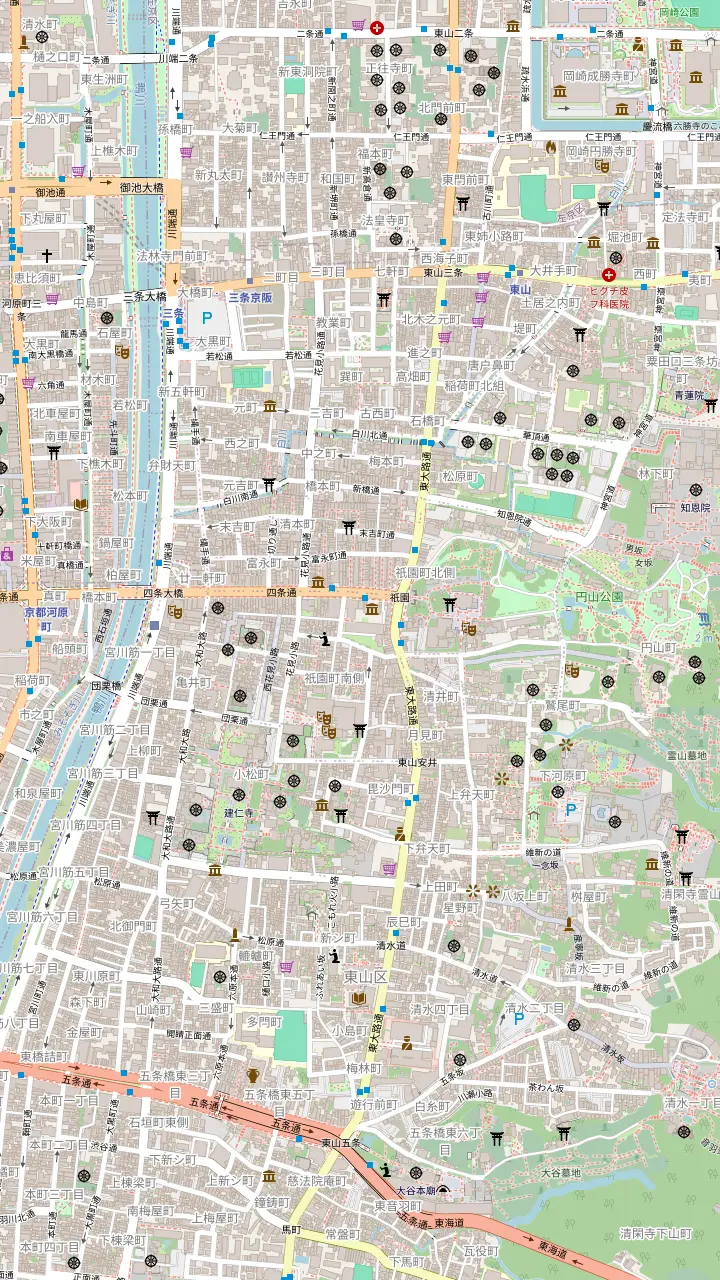
From the station walk east along Shijo to Hanamikoji Street and straight down it to reach Kennin-ji.
The meeting point of the 100-minute Gion night walk limited to 10 people.
Runs between Sanjo and Shijo streets; its history as an entertainment district goes back to 1670.
A 2-hour guided walk lists Shirakawa Lane and Tatsumi Bridge as its first stops.
Has no formal sidewalk, but different stones in the center and at the sides mark where pedestrians should walk.
Outside its winter schedule, regular shows start every day at 6:00 pm and 7:00 pm and last about 50 minutes.
Admission is 800 yen for adults; visitors are accepted from 10:00 a.m.
The shrine office is open 9:00 to 17:00.
Admission is 800 yen for adults, with daytime hours of 9:00 am to 5:00 pm.
Each March the park becomes a lantern festival with thousands of lanterns.
The observation deck is open 10:00 to 21:00 with last admission at 20:30.
Kamogawa Noryo Yuka riverside dining runs from May 1 to October 15.
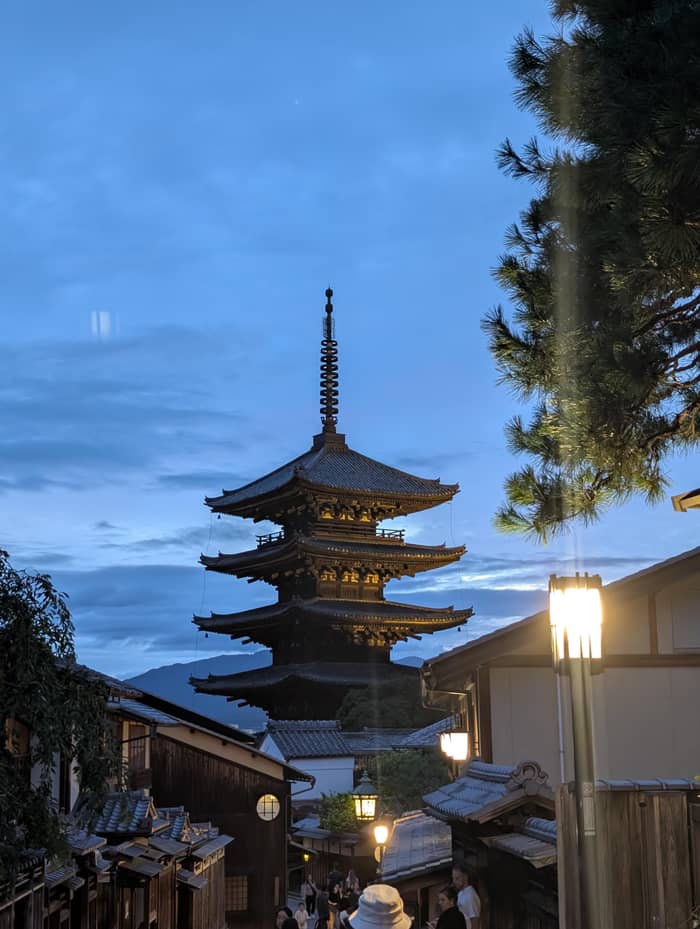
After dark the stones of Hanamikoji are lit with lantern light.
The temple holds its special night viewing three times a year.
Google MapsThe Special Autumn Nighttime Viewing and Illumination runs from 23 Oct to 13 Dec 2026.
The 2026 cherry blossom light-up ran from 6 p.m. to 10 p.m., with last entry at 9 p.m.
Google MapsJR West notes that the shrine is never closed to the public.
Google MapsCartography © OpenStreetMap contributors
Kyoto has more temples than any trip can hold. This guide sorts the top things to do in Kyoto by district, shows what each costs and when it opens, and gives you a map to link them.
Editorial team, kyotoactivities.com · Updated November 2, 2026 · About 8 minutes of reading
Kyoto at a glance
Kyoto was the capital of Japan starting in 794, when Emperor Kanmu chose it as the home of his court.1 The Japan National Tourism Organization dates the capital period from 794 until the end of the Edo period in 1867.7 That span explains why a visit never feels like a single attraction: the city holds centuries of palaces, gardens and temples side by side.
The numbers are large. Kyoto's shrines and temples hold about 20 percent of Japan's National Treasures and 15 percent of its Important Cultural Properties.2 Seventeen properties make up the World Heritage listing Historic Monuments of Ancient Kyoto, approved in December 1994 by the 18th Session of the World Heritage Committee.8,9
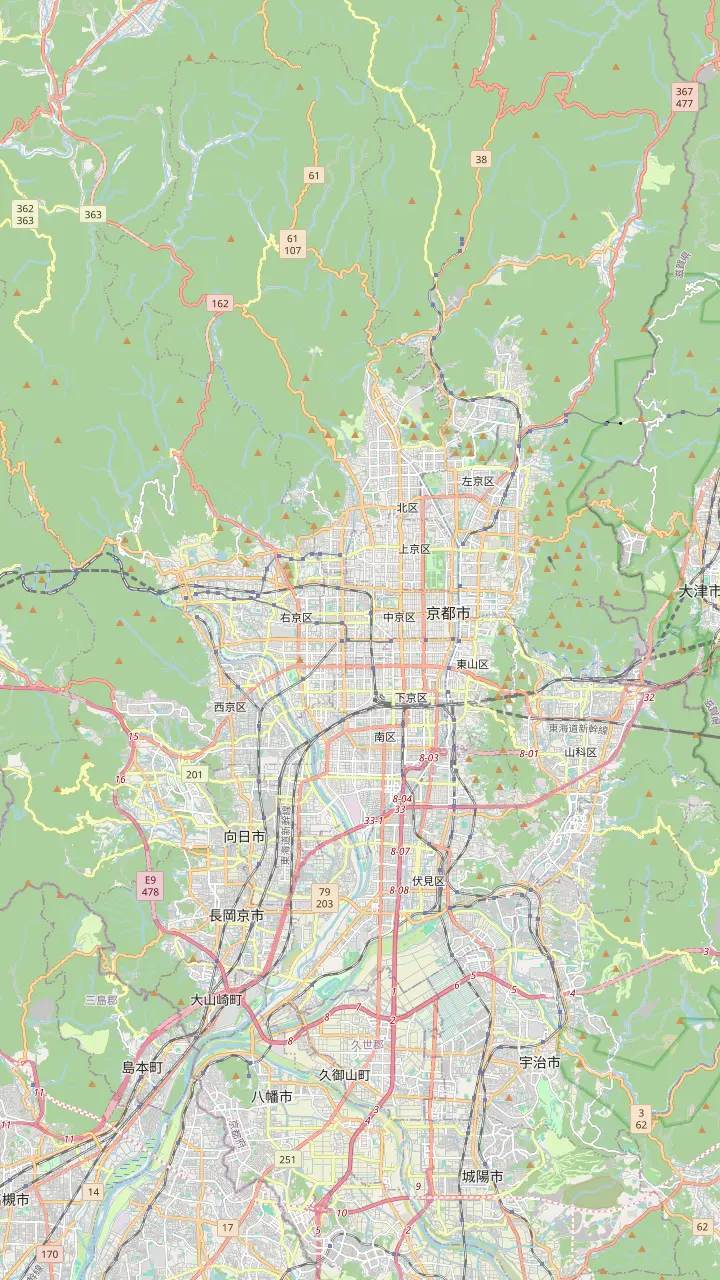
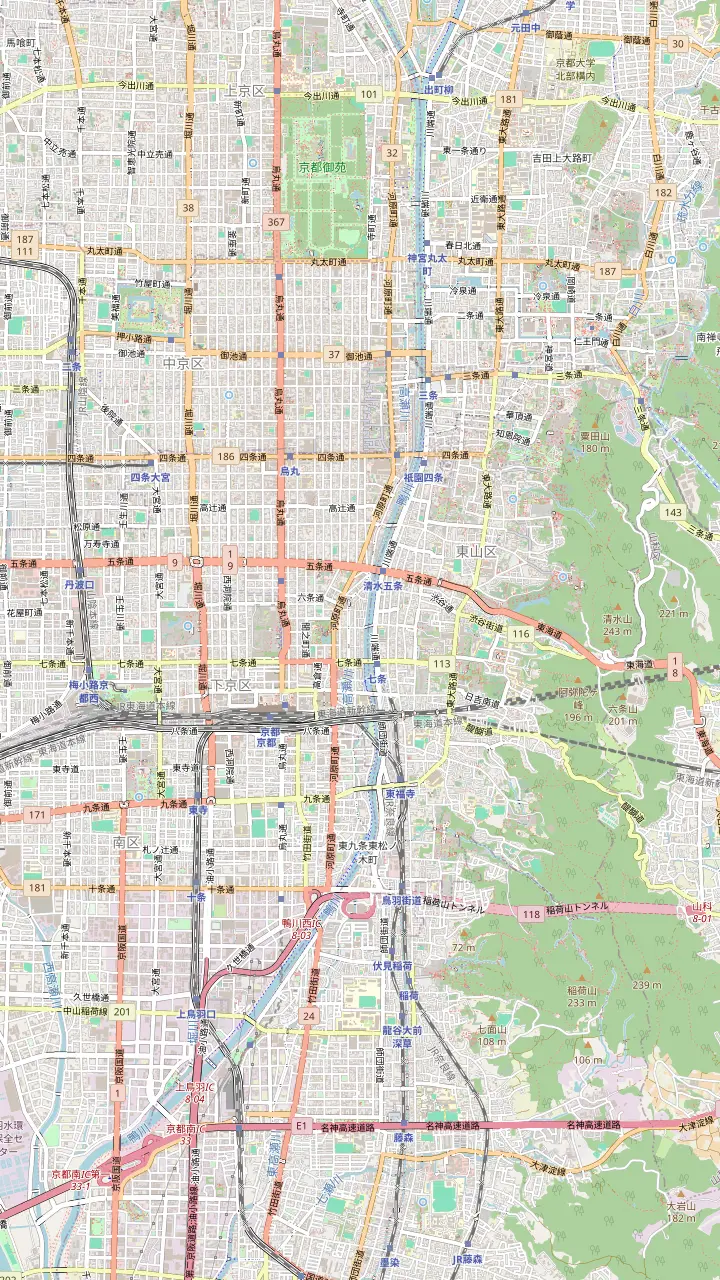
So the problem is not finding the best things to do in Kyoto; it is choosing, whichever list you start from. The sensible approach is to treat the city as four or five clusters and give each a half day: the eastern hills around Kiyomizu-dera, the northern temples, the center with its palace and castle, and two outliers, Fushimi Inari in the south and Arashiyama in the west. The map on this page shows how they lie.
Sight sheet
| Sight | Area | Entry | Opens |
|---|---|---|---|
| Kiyomizu-dera | Eastern hills | Source silent | 6:00 a.m. |
| Kinkaku-ji | North-west | 500 yen adult | 9:00 a.m. |
| Ginkaku-ji | North-east | 1,000 yen adult | 8:30 a.m. (Mar to Nov) |
| Nijo Castle | Center | 800 yen adult | 8:45 a.m. |
| Imperial Palace | Center | Free | Shut on Mondays |
| Fushimi Inari | South | No ticket listed | Never closed |
From the temples' own pages, Kyoto City and the Imperial Household Agency; Kiyomizu-dera's admission fee is not stated on the pages we could read.14,3,23,22,24,4,5,25,26
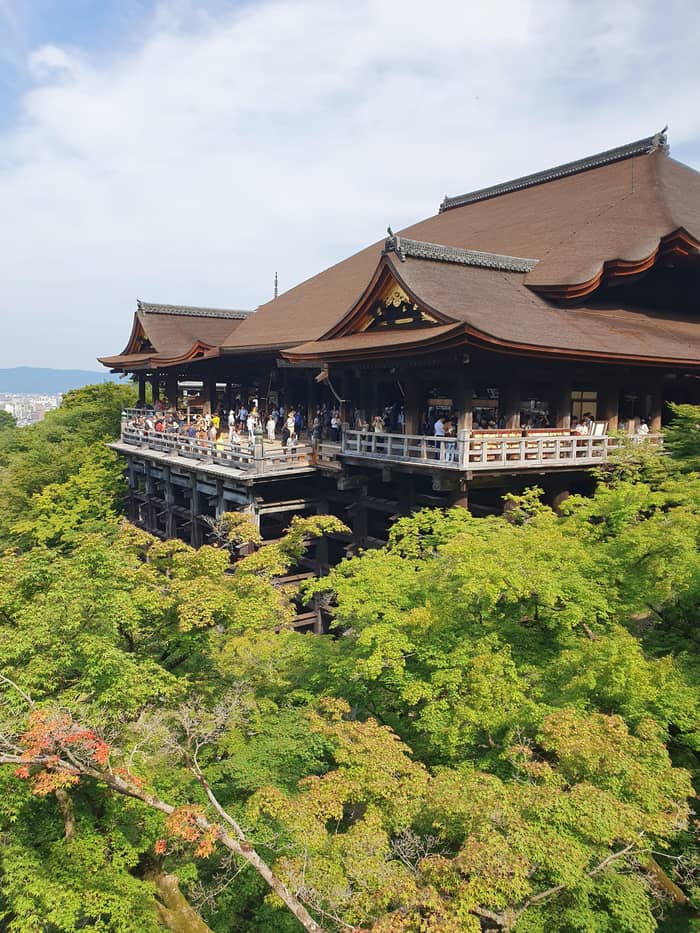
Kiyomizu-dera was founded in 778, and its history dates back over 1250 years.10 The grounds cover over 130,000 square meters of the Mount Otowa slope and hold thirty Buddhist buildings, including the national treasure Main Hall.11 The famous stage stands nearly 13 meters high, rests on 18 zelkova pillars and is joined without a single nail; the present stage dates from 1633.12,13
The temple opens at 6:00 a.m. every day, and the closing time changes with the season.14 Kyoto's tourism association calls that 6:00 opening the quiet time to visit.15 There is no parking lot and the temple strongly recommends public transportation or a taxi, so take City Bus 86 or 206 from Kyoto Station to the Gojozaka stop.16,17
The approach is half the visit. The lanes from Kodai-ji down to Kiyomizu-dera are called Ichinenzaka, Ninenzaka and Sanneizaka.18 Kodai-ji, founded in 1605 by Nene, the widow of Toyotomi Hideyoshi, is worth an hour or two for its gardens, and admission is 800 yen for adults.19,20,21 At the foot of the slope lies Gion, which has its own guide on this site.
Kinkaku-ji, the Golden Pavilion, is open 9:00 a.m. to 5:00 p.m. all year round, with admission of 500 yen for adults and 300 yen for primary and middle school students.3 City buses 12, 59, 205 and M1 stop at Kinkakuji-michi stop.31 It was designated a UNESCO World Heritage Site in 1994, and it has no luggage storage, so leave your bags at the hotel.32,33
Ginkaku-ji, the Silver Pavilion, is open 8:30 a.m. to 5:00 p.m. from March 1 to November 30 and 9:00 a.m. to 4:30 p.m. from December 1 to the end of February, with admission of 1,000 yen for adults.23,22 A visit usually takes about 30 minutes, and normally only the gardens can be entered.34,35 Construction began in March 1489, but Shogun Yoshimasa died on January 7, 1490 before it was finished.36
Connect the two with a walk. The Philosopher's Path is a canal-side stroll between Ginkaku-ji and Nyakuoji Bridge, passing Anraku-ji and Honen-in temples.28 It got its name because the philosopher Nishida Kitaro walked it daily from 1910 until his retirement in 1928, and it runs past the front gate of Ginkaku-ji.37,38 Cherry blossoms in spring and fireflies in summer are the draw.
Quick chooser
Match the sights to the hours you have.
If I have one day only
A guided bus day
Eight named stops from $97.
If I want quiet temples
Kiyomizu-dera at 6:00
The tourism association calls the 6:00 opening the quiet time.15
If Money is tight
The Imperial Palace
Admission is free and English tours run at 10:00 and 14:00.5,27
If I want a walk
The Philosopher's Path
A canal-side stroll from Ginkaku-ji.28
If A wet day
Kyoto Railway Museum
53 trains under one roof.29
Three ways to cover it
By foot
Kiyomizu-dera and Gion
Bus and path
Kinkaku-ji to Ginkaku-ji
Guided
Eight stops, one seat
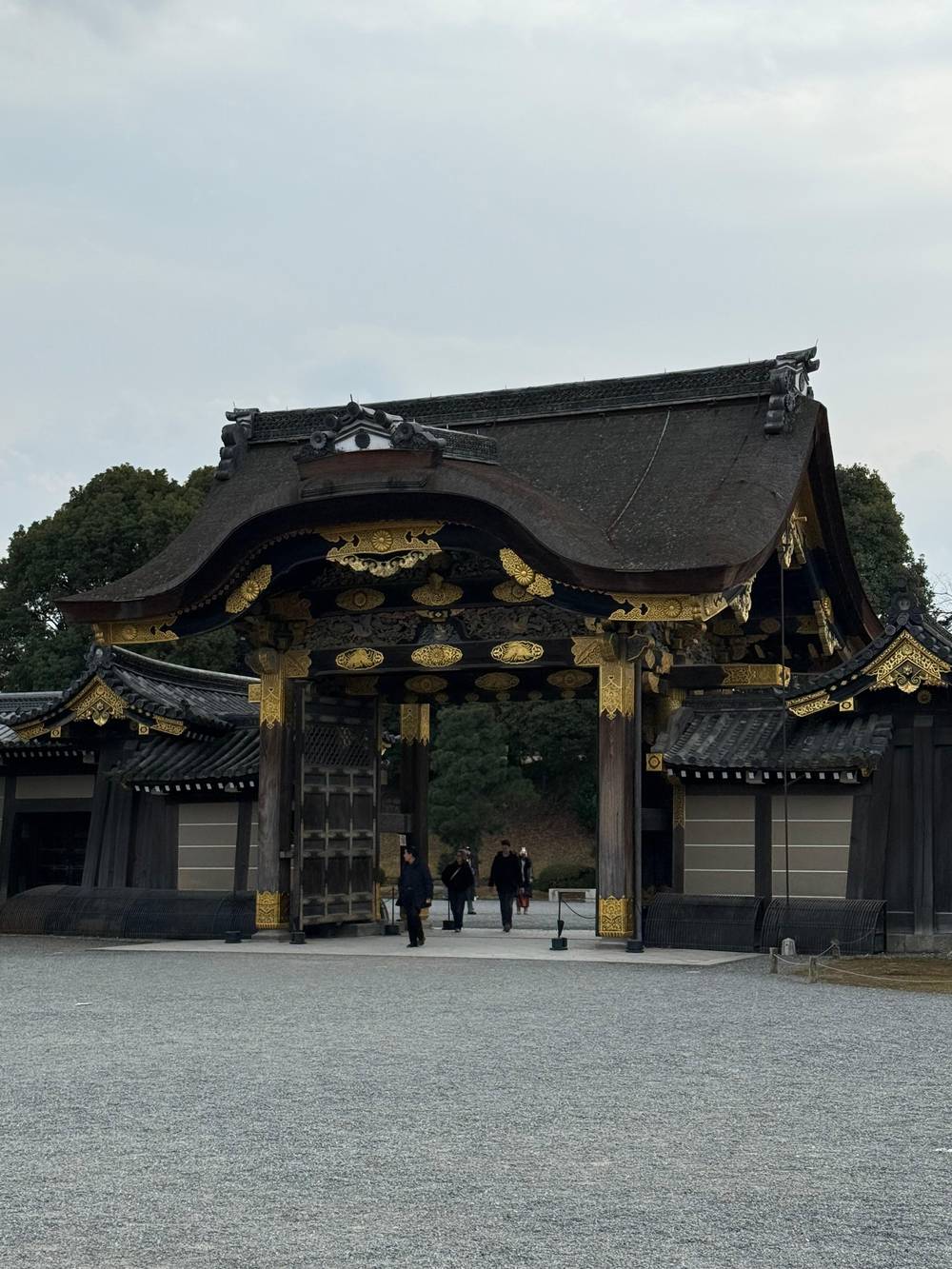
Nijo Castle opens at 8:45 a.m., with last admission at 4:00 p.m. and closing at 5:00 p.m.24 Castle admission is 800 yen for adults, 400 yen for junior high and high school students and 300 yen for elementary school students; adding the Ninomaru Palace brings an adult ticket to 1,300 yen.4 It was completed in 1603 on the orders of Tokugawa Ieyasu, and in 1867 the 15th Shogun, Tokugawa Yoshinobu, announced the end of Tokugawa rule in the Ninomaru Palace.42,81
Two details stay with people. The floorboards of the Ninomaru Palace corridor chirp like a nightingale when walked on, caused by clamps moving against nails in the beams, and the palace holds over 3,600 wall paintings.30,82 The castle grounds cover about 275,000 square meters, so allow time to walk beyond the palace itself.83
The Kyoto Imperial Palace is open to walk-in visitors, needs no registration, and admission is free; it is closed on Mondays and from December 28 to January 4, and free English guided tours run twice a day at 10:00 and 14:00.5,25,27 Nishiki Market is a 400 meter path from Teramachi to Takakura streets, known as the Kitchen of Kyoto, and visitors are asked not to eat while walking.84,85
Day cost
Enter your group size to see each tour's total.
4 options side by side
Enter your group size to see each tour's total.
≈
View≈
View≈
View≈
ViewLowest GetYourGuide prices at the ECB reference rate; the exact amount appears when you book.
A single day in order
Morning
1 hour on the listed itinerary.
Then
40 min.
Midday
A 50-minute Arashiyama stop, a bamboo walk of 20 minutes and Tenryuji for 30.
Afternoon
40 minutes, with a pass-by of Nijo Castle.
Finish
1 hour, then the transfer back.
Fushimi Inari Taisha is beside Inari Station on the JR Nara Line, 2 stations and 5 minutes from Kyoto Station by the shrine's count.40 The shrine counts around 10,000 torii of all sizes along its mountain paths, and JNTO says it takes between two and three hours to tour the mountain.86,87 Two full pages on this site cover the shrine and the climb.
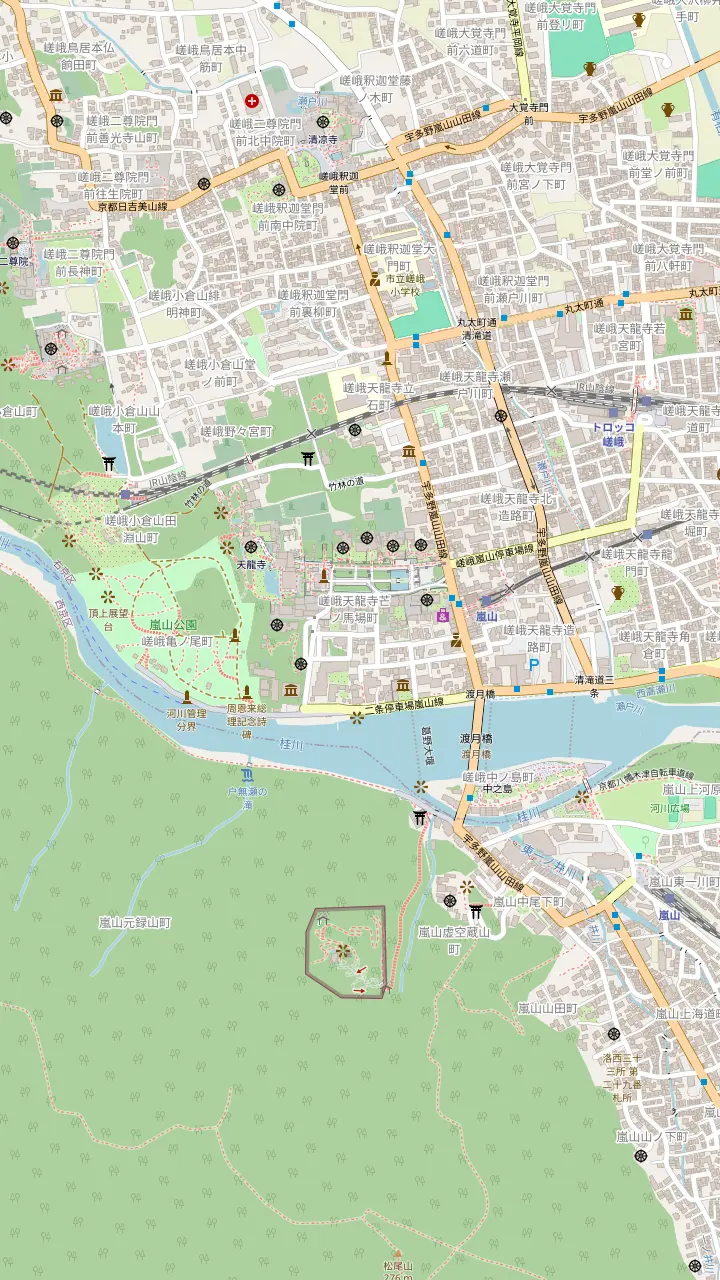
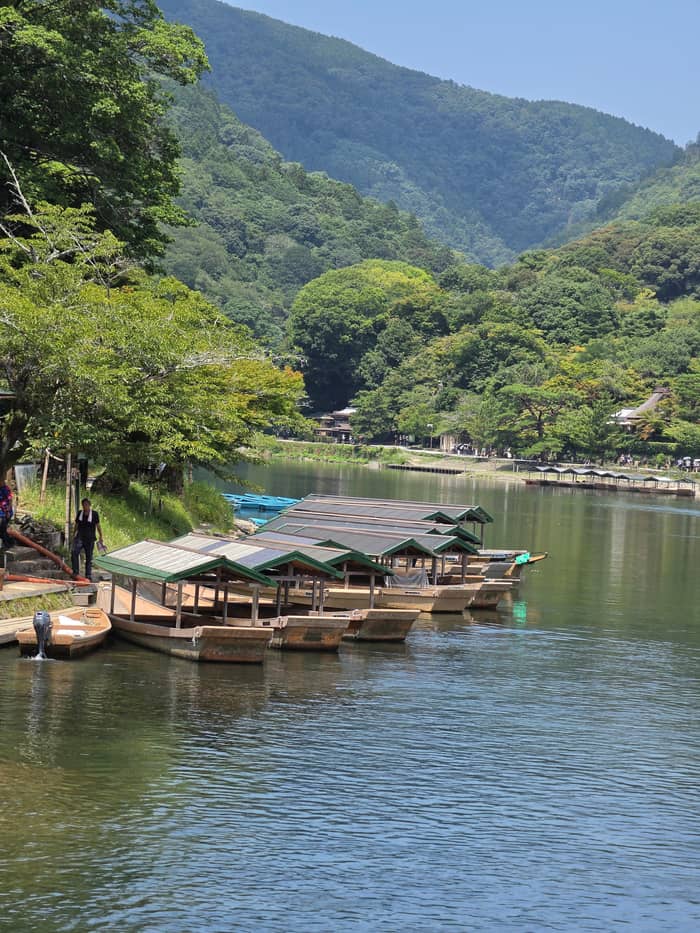
Arashiyama lies the other way. The JR Sagano Line Rapid Service takes about 11 minutes from Kyoto Station to Saga-Arashiyama Station, and from there it is about an 8 minute walk to the Togetsu-kyo Bridge area.43,88 A less crowded route goes by subway to Uzumasa Tenjingawa Station on the Tozai Line, then on the Keifuku (Randen) tram to Arashiyama Station.89
Both fit a single day with a guide. The one-day bus tour this site books lists Kiyomizu-dera (1 hour), Sanjusangen-do (40 minutes), a 50-minute Arashiyama stop (lunch only on the optional buffet ticket), a bamboo grove walk (20 minutes), Tenryuji Temple (30 minutes), Kinkaku-ji (40 minutes), a pass-by of Nijo Castle and Fushimi Inari Taisha (1 hour), from $97. It has 5,210 reviews rated 4.80.
Video
World Wild Hearts on YouTube · The player connects to YouTube only after you tap.
The floorboards of the Palace sound like the song of a nightingale when people walk down the corridor.
Checklist
The Subway & Bus 1-Day Pass costs 1,100 yen for adults and 550 yen for children, and it covers all subway lines and all City Bus routes.6,90 It is valid on the day it is activated and does not last 24 hours.91 The Subway 1-Day Pass is 800 yen for adults and 400 yen for children.92 A regular City Bus ride is 230 yen within the flat fare area, so a busy day of rides adds up quickly.93
The subway has two lines. The Karasuma Line runs north-south through central Kyoto via Kyoto Station, and the Tozai Line runs east-west with convenient access to Nijo Castle and Heian Shrine; they connect at Karasuma-Oike Station.94,95 Neither reaches Kinkaku-ji or Kiyomizu-dera, which is why the bus remains essential.
Kyoto City asks visitors not to bring large luggage onto city buses and points to Hands-Free Travel luggage delivery from Kyoto Station.96 If you are arriving on the shinkansen, the Nozomi takes approximately 130 minutes from Tokyo Station to Kyoto Station and the Hikari 170 minutes.39
FAQ
Kiyomizu-dera, Kinkaku-ji, Ginkaku-ji, Nijo Castle, Fushimi Inari and Arashiyama are the stops this guide sorts; the one-day bus tour lists most of them.
It is open 9:00 a.m. to 5:00 p.m. all year round; primary and middle school students pay 300 yen.3
The Sagano Line Rapid Service takes about 11 minutes to Saga-Arashiyama Station.43
It opens at 6:00 a.m. every day, and the closing time changes with the season.14
The five bonfires are lit one by one every 5 minutes from 8 pm, starting with Daimonji.103
Sources
Questions about Kyoto or the tours? Ask a person here.